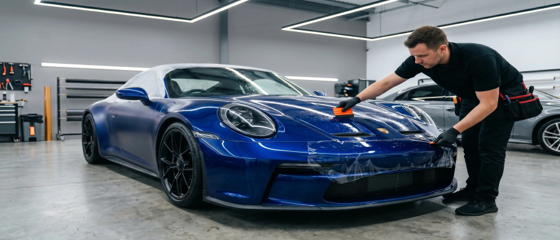
Paint protection film is one of the most effective ways to keep your car looking factory-fresh for years. Whether you have just driven a brand-new car off the lot or you are tired of watching your beloved vehicle collect scratches, swirl marks, and road grime, PPF coating offers a near-invisible shield that absorbs damage before it ever reaches your paint. In this guide, we walk you through everything a first-time buyer needs to know about paint protection film for cars, from what it is and how it works, to the different types available and why it is worth every rupee. For professional PPF installation in Kerala, Corsa Automotive serves car owners across Chengannur and Kottayam with premium protection packages. You can also explore the full range of automotive services offered to find the right solution for your vehicle.
Key Takeaways
- Paint protection film is a clear, thermoplastic urethane layer applied to your car’s painted surfaces to guard against scratches, rock chips, UV damage, and environmental contaminants.
- Car PPF is available in multiple grades and finishes, including gloss, matte, and satin, allowing you to protect your paint without changing its appearance.
- Investing in PPF coating early, especially on new vehicles, can significantly preserve resale value and reduce long-term maintenance costs.
What Is Paint Protection Film and How Does It Work?
Paint protection film is a thin, flexible, thermoplastic urethane (TPU) film that is applied directly to a vehicle’s painted surfaces. It acts as a sacrificial layer, absorbing impacts, scratches, and chemical damage that would otherwise permanently mark your car’s finish. The film is virtually invisible when installed correctly, preserving the original look of the paint underneath.
What makes modern PPF coating particularly impressive is its self-healing technology. The film contains an elastomeric polymer top coat that, when exposed to heat from sunlight or warm water, causes light scratches and swirl marks on the film’s surface to disappear on their own. This means the film stays looking clean and clear without constant attention.
Beyond self-healing, paint protection film also repels water, dirt, and environmental contaminants thanks to its hydrophobic surface properties. In Kerala’s climate, where monsoon rains, humidity, and road debris are everyday realities, this kind of protection is not a luxury but a practical necessity. If you are researching which vehicles benefit most from this treatment, browsing our car listings can give you a sense of the range of models commonly brought in for protection work.
What Does Paint Protection Film Actually Protect Against?
One of the most common questions first-time buyers ask is what exactly car PPF shields the paint from. The answer is broad. A high-quality film is engineered to defend against a surprisingly wide range of threats that cars face every day.
- Rock chips and stone impacts: Flying debris from the road is one of the leading causes of paint damage, especially on bonnets and front bumpers.
- Scratches and swirl marks: Light contact from keys, brushes, car washes, and bushes can leave fine marks that dull your car’s finish over time.
- UV radiation: Prolonged sun exposure causes paint to fade and oxidise. PPF includes UV inhibitors that slow this process considerably.
- Bird droppings and tree sap: These are highly acidic and can etch into clear coat within hours if left untreated. PPF creates a barrier that is far easier to clean.
- Chemical stains and road salt: Industrial fallout, fuel spills, and road salt can corrode unprotected paint surfaces over time.
- Insect residue: Acids in insect remains can bond with paint and cause damage if not removed quickly.
For car owners in Kerala, where tropical heat accelerates UV damage and monsoon roads throw up considerable debris, paint protection film for cars addresses multiple real threats at once. It is not simply cosmetic protection but a genuine long-term investment in the vehicle’s condition.
Types of Paint Protection Film: Gloss, Matte, and Beyond
Not all car PPF products are the same. Films vary by finish, thickness, and technology. Understanding the options helps you choose the right product for your vehicle and your goals.
Gloss PPF
Gloss finish paint protection film is the most popular choice. It is optically transparent and enhances the depth and shine of your car’s original paint colour. If you want to protect your car without altering its appearance in any way, gloss PPF is the natural choice. It is suitable for virtually any car colour or finish and remains the most widely applied option in professional detailing studios.
Matte PPF
Matte finish PPF coating serves two purposes. It protects the paint in the same way a standard film does, but it also transforms a gloss finish into a matte appearance. This has become increasingly popular among luxury and performance car owners who want a stealthy, flat look without a permanent respray. It is also commonly used to protect factory matte finishes, which are notoriously difficult to maintain and repair.
Satin PPF
Satin PPF sits between gloss and matte, offering a low-sheen finish with excellent depth. It is a sophisticated option for owners who want subtle visual differentiation from a standard gloss finish.
Pre-Cut vs. Custom Installation
Films can be installed using digitally pre-cut kits that are designed for specific vehicle models, or they can be custom-cut and wrapped by hand during installation. Pre-cut kits provide precision coverage on common panels, while custom installations allow edge-to-edge wrapping for more complete protection. Professional studios assess your vehicle and recommend the most appropriate approach based on your goals and budget.
Full Body PPF vs. Partial PPF: Which Is Right for You?
A common decision first-time buyers face is whether to protect the entire vehicle or focus coverage on specific high-risk areas. Both approaches have genuine merit, and the right choice depends on how you use the car, your budget, and how long you plan to keep the vehicle.
Partial PPF Coverage
Partial coverage focuses paint protection film on the panels that take the most abuse. This typically includes the front bumper, bonnet, front fenders, door edge guards, and side mirrors. For daily drivers where budget is a consideration, partial coverage provides targeted protection where damage is statistically most likely to occur. It is a practical starting point for many car owners.
Full Body PPF Coverage
Full body car PPF wraps every exterior painted surface of the vehicle, including doors, roof, boot lid, rear bumper, and pillars. This option is ideal for luxury vehicles, performance cars, and owners who want complete peace of mind. It also delivers the most consistent protection and is particularly valuable for preserving resale value over a long ownership period.
According to Car and Driver, vehicles that are well-maintained and protected from paint damage consistently command stronger resale prices. Investing in comprehensive PPF coating from early in a vehicle’s life is one of the most measurable ways to protect that investment. Owners of luxury sports cars in particular tend to see the strongest returns from full body coverage given the higher cost of paint restoration on premium vehicles.
How Paint Protection Film Compares to Ceramic Coating
Many car owners research both paint protection film and ceramic coating before making a decision. These two products are often discussed together but they are not interchangeable. They serve different functions and are frequently combined for maximum protection.
Ceramic coating is a liquid polymer that bonds chemically to the paint surface, creating a hardened, hydrophobic layer. It offers excellent protection against UV damage, chemical stains, and minor surface contamination. However, ceramic coating does not absorb physical impacts. It will not prevent rock chips or deep scratches.
PPF, on the other hand, is a physical film with genuine impact resistance. It can handle rock chips, abrasion, and surface impacts that would permanently damage paint protected only by ceramic coating. The self-healing property of premium car PPF adds another dimension that ceramic coating alone cannot replicate.
The most comprehensive protection strategy combines both: PPF coating applied first for physical impact resistance, then a ceramic or graphene coating applied on top of the film to enhance hydrophobic properties and surface gloss. This layered protection approach is available from specialist automotive detailing studios serving car owners across Chengannur and Kottayam.
The PPF Installation Process: What to Expect
Understanding what happens during a professional paint protection film installation helps set realistic expectations and ensures you choose the right installer.
The process follows a structured approach. The vehicle is first thoroughly washed and decontaminated to remove all surface debris, iron particles, and chemical residue. Any existing scratches or paint defects may be addressed through paint correction before the film is applied, as PPF locks in whatever condition the paint is in at the time of installation.
The film is then carefully measured, cut, and applied to each panel. Professional installers use a slip solution to position the film precisely before squeegeing out air bubbles and moisture. Edges are carefully tucked or trimmed to create a seamless finish. After installation, the film requires a curing period before the vehicle is exposed to water or significant environmental stress.
The result is a surface that looks virtually identical to unprotected paint but carries a robust physical shield underneath. When carried out by experienced technicians using quality materials, a professionally installed PPF coating is barely detectable even on close inspection.
Why Kerala Car Owners Should Consider PPF Seriously
Kerala’s driving environment creates specific challenges for vehicle paint. Monsoon seasons bring heavy rain, flooding roads, and debris-laden runoff. Coastal areas contribute salt-laden air that accelerates surface oxidation. Narrow roads lined with vegetation mean constant exposure to branches, stones, and organic matter. Summer heat pushes UV intensity to levels that visibly fade paint within a few years on unprotected vehicles.
For car owners in this environment, paint protection film for cars is not a niche luxury. It is a practical shield against conditions that genuinely degrade paint faster than in many other parts of the country. Combined with the pride that Kerala car owners typically take in the appearance of their vehicles, PPF represents one of the most sensible automotive investments available.
Corsa Automotive, based in Chengannur with operations in Kottayam, specifically serves this market with premium detailing and protection services designed to address the realities of Kerala’s roads and climate. To explore the full range of protection services available, visit Corsa Automotive and speak with the team about a package suited to your vehicle. You can also get in touch directly to book a vehicle assessment at your convenience.
Conclusion: Is Paint Protection Film Worth It?
Paint protection film is one of the most effective and long-lasting ways to preserve your car’s appearance and value. It guards against the daily damage that gradually diminishes a vehicle’s condition and appeal. From rock chips and scratches to UV fading and chemical stains, car PPF addresses threats that affect every car on the road. For first-time buyers, the decision ultimately comes down to how much you value your vehicle’s condition over the long term. If you are serious about protecting that investment, PPF coating delivers real, measurable results. To learn more or to book an assessment for your vehicle, contact the specialists at Corsa Automotive and find out which paint protection solution is right for your car.
FAQ
Q1: How long does paint protection film last on a car?
Answer: The lifespan of paint protection film depends on the quality of the film and the installation. Premium films applied by professional studios typically maintain their clarity and protective properties for several years under normal driving and weather conditions.
Q2: Can paint protection film be removed without damaging the paint?
Answer: Yes, car PPF is designed to be removable. When removed correctly by a trained technician, the film comes away cleanly without pulling or damaging the underlying paint, provided the original paint surface was in good condition before application.
Q3: Does PPF coating change the appearance of my car’s paint?
Answer: A gloss PPF coating is optically clear and preserves the original colour and depth of your paint. Matte and satin films do change the finish, but that is often a deliberate aesthetic choice made by the vehicle owner rather than an unwanted side effect.
Q4: Is paint protection film worth it for older cars?
Answer: Paint protection film for cars can still add value to older vehicles, particularly if the paint has been corrected beforehand. It prevents further degradation and protects a freshly corrected finish, similar to how owners of restored sports cars safeguard their investment after a full paint correction.
Q5: What is the difference between PPF and a vinyl wrap?
Answer: Paint protection film is a clear protective layer designed primarily to guard against physical and environmental damage. Vinyl wraps are primarily decorative, changing the colour or finish of the car. PPF prioritises protection while vinyl wrap prioritises aesthetics, and the two serve distinctly different purposes.
Q6: Does paint protection film require special maintenance?
Answer: Car PPF is relatively low-maintenance. Regular washing with a pH-neutral shampoo is recommended. Avoid abrasive compounds or harsh chemicals directly on the film. Some owners apply a ceramic coating on top of the PPF to enhance hydrophobic properties and simplify cleaning further.
Q7: Can paint protection film be applied to any part of the car?
Answer: PPF coating can be applied to virtually any exterior painted surface, including bonnets, bumpers, doors, mirrors, roof panels, and boot lids. It can also be applied to headlamp lenses. A professional installer will assess the best coverage areas based on your usage and goals.
Q8: How do I know if my installer is applying quality paint protection film?
Answer: Look for studios that use reputable film materials, perform proper paint decontamination before installation, and can demonstrate completed work on similar vehicles. Reviewing answers to common questions on the Corsa Automotive FAQ page can help you understand what a professional installation should involve.
Q9: Will paint protection film protect against deep scratches and dents?
Answer: Paint protection film for cars absorbs light to moderate impacts and surface scratches effectively. While it significantly reduces the risk of deep scratches, it is not designed to prevent dents from heavy impacts. For dent repair, a body shop service would be the appropriate solution.
Q10: How soon after buying a new car should I apply paint protection film?
Answer: Ideally, car PPF should be applied as soon as possible after purchase, before the paint accumulates any chips, scratches, or environmental damage. Applying the film to a factory-fresh surface ensures the paint is locked in perfect condition from the very beginning of ownership.