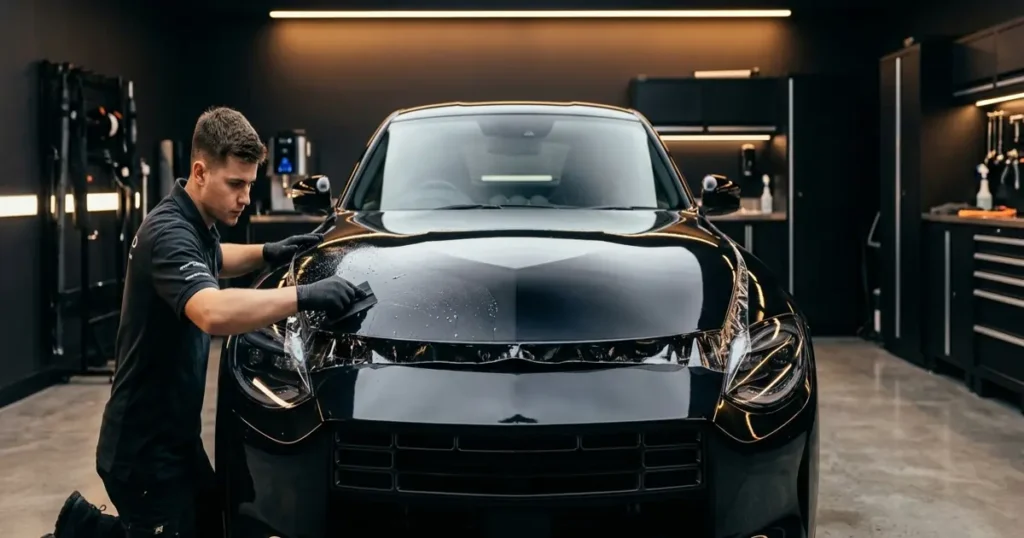
Car paint protection film is one of the smartest investments a car owner can make, yet most people apply it only after the damage is already done. The truth is, some of the most common daily habits quietly strip away your car’s factory finish long before a major scratch or dent ever appears. From how you wash your car to where you park it, small choices add up to big paint damage over time. This blog breaks down five mistakes you are probably making and explains how paint protection film for cars can stop the damage before it starts.
Key Takeaways
- Everyday habits such as automatic car washes, bird droppings, and improper washing techniques are leading causes of paint damage on vehicles in Kerala.
- Paint protection film acts as a transparent, self-healing barrier that shields your car’s surface from scratches, chemical etching, UV fading, and road debris.
- Investing in the best vehicle paint protection early preserves your car’s resale value and keeps it looking showroom-fresh for years.
Why Your Car’s Paint is More Vulnerable Than You Think
A car’s exterior finish is made up of multiple thin layers: primer, base coat, and a clear coat on top. That clear coat is only about 50 microns thick. Once it is gone, the underlying paint becomes exposed to corrosion, fading, and staining. Kerala’s climate makes this even worse. High humidity, monsoon rains, and intense heat accelerate the breakdown of paint layers faster than in drier climates. Understanding what causes the damage is the first step to preventing it.
Mistake 1: Washing Your Car With the Wrong Materials
Using the wrong cloth or sponge during a car wash is one of the most common ways car owners unknowingly damage their paint. Standard household sponges trap dirt and grit between the surface and the paint, dragging abrasive particles across the clear coat with every stroke. This creates fine swirl marks that dull the finish over time.
Many car owners in Kerala also rely on automatic tunnel car washes with rotating brushes. These brushes are rarely cleaned thoroughly and carry residue from previous vehicles, introducing micro-scratches with every visit. The fix is using a proper microfibre wash mitt, two-bucket washing method, and pH-neutral car shampoo. Better yet, applying car paint protection film beforehand means that even minor washing mistakes are absorbed by the film rather than your paint.
Mistake 2: Ignoring Bird Droppings and Tree Sap
Bird droppings are more damaging than most people realise. They contain uric acid with a pH level that can etch directly into your car’s clear coat within hours, especially under direct sunlight. Tree sap is similarly corrosive. Both harden quickly and bond chemically with the paint surface, making them difficult to remove without causing further damage.
Leaving these contaminants on your car even for a few hours, particularly during Kerala’s warmer months, can result in permanent etching that requires paint correction to fix. A professionally applied paint protection film for cars provides a sacrificial surface that takes the chemical impact instead of your factory finish. The film can then be cleaned or replaced without touching the original paint beneath it. You can explore the full range of protection solutions available at Corsa Automotive’s services page to find what suits your vehicle best.
Mistake 3: Parking Under Trees or in Direct Sunlight
Where you park your car matters enormously for long-term paint health. Parking under trees exposes your vehicle to falling sap, bird droppings, pollen, and small debris that accumulate on the surface. Parking in direct sunlight without protection causes UV rays to gradually degrade the clear coat, leading to oxidation, chalking, and colour fading.
UV damage is cumulative and largely invisible until it becomes severe. Once the clear coat oxidises, the only solution is multi-stage paint correction, which is time-consuming and costly. The best vehicle paint protection options, including high-quality PPF, include UV-resistant properties that block harmful rays from reaching the paint surface directly. This makes PPF especially valuable for car owners in sun-intensive locations across Kerala. If you would like to see real results from paint protection work, Corsa Automotive’s gallery showcases a range of before-and-after finishes.
Mistake 4: Using Petrol Station Cleaning Products
Petrol stations and roadside shops often sell all-purpose cleaners that are not formulated for automotive paint. Many of these products contain harsh solvents, alkaline compounds, or abrasive particles that strip away the clear coat’s protective layer. They might leave the surface looking shiny temporarily, but repeated use breaks down the paint’s integrity over time.
The same applies to dish soap, which many car owners in India use as a cost-saving substitute for proper car shampoo. Dish soap is designed to cut through grease and oils, and it does exactly that to your car’s wax layer and protective coatings as well. Using only pH-neutral, automotive-grade products is essential. Applying paint protection film creates an additional layer of defence, so that even if a harsh product comes into contact with the surface, your actual paint remains protected underneath.
Mistake 5: Skipping Paint Protection Until After the First Scratch
This is perhaps the most costly mistake of all. Many car owners treat paint protection as a remedy rather than a preventive measure. They wait until a rock chip, deep scratch, or door ding appears before considering options like car paint protection film. By then, the paint is already compromised and may require correction work before a film can even be applied properly.
PPF works best when applied to a fresh or corrected surface. The film’s self-healing properties, resistance to road debris, and scratch-resistant top coat are most effective when the paint underneath is in optimal condition. Waiting until damage occurs not only increases the cost of treatment but also reduces how well the film can protect going forward. The right time to apply paint protection film for cars is as early as possible, ideally right after purchase or after a professional paint correction. According to Auto Express, PPF remains one of the most effective ways to preserve automotive paint long-term, especially for new vehicles.
How Car Paint Protection Film Prevents All of These Mistakes
Car paint protection film is a thermoplastic urethane film applied directly to the vehicle’s exterior surfaces. It is optically clear, meaning it does not change the look of your car, and modern formulations include self-healing technology that causes minor scratches to disappear with heat exposure.
PPF protects against all five of the mistakes listed above. It absorbs the impact of abrasive washing materials, resists chemical etching from bird droppings and tree sap, blocks UV rays, withstands harsh cleaning products, and most importantly, prevents the initial paint damage that makes correction necessary in the first place. It is the most comprehensive form of paint protection film available for road-going vehicles today.
At Corsa Automotive, the approach to paint protection follows a clear process: Evaluate, Enhance, and Protect. Before any film is applied, the vehicle is thoroughly inspected and any existing imperfections are corrected. This ensures the PPF adheres perfectly and performs at its best. To learn more about how Corsa works, visit the About Us page.
Conclusion
Paint damage rarely happens all at once. It is the result of repeated small mistakes that quietly wear down your car’s finish over months and years. Whether it is the wrong wash technique, a bird dropping left too long, or simply choosing the wrong parking spot, each of these habits takes a toll. Car paint protection film is not just a luxury for high-end vehicles. It is a practical, long-term investment for any car owner who values their vehicle’s appearance and resale value. If you are ready to protect your car properly, get in touch with Corsa Automotive and let the team evaluate the best protection plan for your vehicle today.
Car paint protection film is a transparent thermoplastic urethane layer applied over your vehicle’s exterior. It absorbs scratches, resists chemical etching, and blocks UV rays. Modern PPF includes self-healing technology, allowing minor scuffs to vanish with gentle heat exposure, keeping your paint pristine.
The lifespan of paint protection film depends on the quality of the film, installation method, and how well the vehicle is maintained afterward. High-quality PPF applied by trained professionals can remain effective for several years under normal driving and weather conditions.
Yes, but existing scratches or paint damage should be corrected before application. Applying PPF over damaged paint locks in imperfections. A professional detailer will typically perform paint correction first to ensure the film bonds cleanly and performs as intended on the vehicle surface.
No. High-quality paint protection film is optically clear and virtually invisible once applied. It preserves your car’s original colour, gloss, and finish. Some owners choose a matte finish PPF to change the look intentionally, but the standard option maintains the factory appearance perfectly.
Absolutely. Kerala’s climate, with its humidity, monsoon rains, and heat, accelerates paint degradation. Paint protection film for cars of any price range helps preserve resale value and reduces long-term repair costs. It is a practical investment for any car owner, not just luxury vehicle owners.
Bird droppings contain uric acid, which has a low pH level that etches directly into your car’s clear coat. Heat accelerates this chemical reaction. In warm, sunny conditions, droppings can cause visible paint etching within a few hours if left untreated, making prompt removal essential.
Yes, but it is best to wait several days after installation before washing. After that, hand washing with pH-neutral shampoo and a microfibre mitt is recommended. Avoid high-pressure jets aimed directly at film edges. Proper care helps the best vehicle paint protection products perform optimally.
The front bumper, bonnet, side mirrors, door edges, and rocker panels are the most vulnerable to chips and scratches. These high-impact zones benefit most from PPF application. Full-body coverage is also available for owners who want complete protection across every painted surface of the vehicle.
Wax and polish are temporary surface treatments that need reapplication every few weeks or months. Paint protection film is a physical barrier that adheres to the paint and provides lasting defence against scratches, debris, and chemical damage without requiring frequent reapplication like traditional waxing products.
Corsa Automotive offers professional PPF application at their detailing centre in Chengannur, with services also available in Kottayam. Their team follows a thorough Evaluate, Enhance, and Protect process. You can reach out to Corsa Automotive to schedule a consultation for your vehicle.