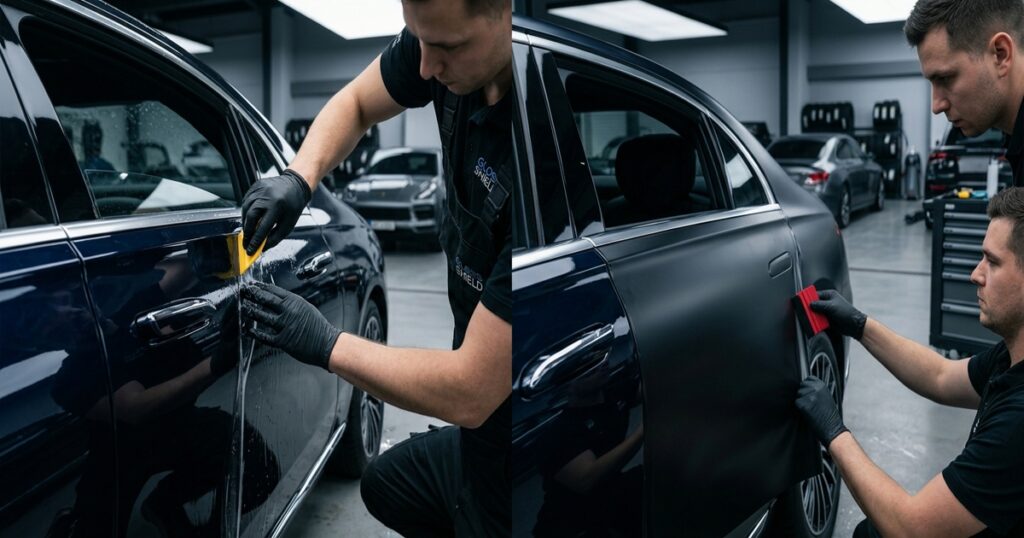
Car Sun Film vs Ceramic Tint: The Heat Protection Debate in Kerala
Car sun film is one of the most searched solutions among Kerala vehicle owners who battle intense heat, high humidity, and year-round sun exposure. Whether you are parked under the open sky in Chengannur or navigating the afternoon traffic in Kottayam, the heat inside your cabin can become genuinely unbearable. This blog breaks down the real differences between sun control film and ceramic window tinting so you can make a confident, informed decision about which one actually keeps your car cooler.
Key Takeaways
- Car sun film is an affordable entry-level option for heat and glare reduction, but ceramic tint offers significantly superior heat rejection and UV protection in Kerala’s tropical climate.
- Choosing the right window tinting solution depends on your budget, vehicle type, and how much time you spend driving in peak sun hours.
- Professional installation by a trusted automotive care studio ensures proper adhesion, legal compliance, and long-term performance of any window film.
What Is Car Sun Film and How Does It Work?
Car sun film, also called sun control film, is a thin laminate applied to the interior surface of vehicle windows. It works by absorbing or reflecting a portion of solar energy before it enters the cabin. Basic dyed films absorb heat and reduce visible light transmission. More advanced metalized or hybrid films also reflect infrared radiation, offering a better heat rejection rate.
Sun control film is widely used across Kerala because it is relatively affordable, easy to replace, and available in multiple tint shades. However, basic films degrade over time, especially under sustained UV exposure. They can bubble, fade, or turn purple after a few years, reducing both aesthetics and performance. For car owners looking for a budget-conscious option to reduce glare and moderate heat gain, sun control film is a practical starting point.
What Is Ceramic Window Tinting and Why Is It Different?
Ceramic window tinting uses nano-ceramic particles embedded into the film rather than dyes or metal layers. This technology allows ceramic tint to block a high percentage of infrared radiation, the component of sunlight responsible for heat, without compromising visibility or interfering with electronic signals like GPS, mobile networks, or tyre pressure monitoring systems.
Ceramic films do not contain metal, so they will not cause signal interference. They also do not fade or discolor over time the way dyed films do. In Kerala’s climate, where months of direct sunlight are followed by humid monsoon conditions, ceramic tint holds up far better structurally. The higher upfront cost reflects a film that is more durable, more effective at heat rejection, and more aesthetically stable over the long term. For owners of SUVs with large glass surfaces or vehicles that sit in direct sunlight for long periods, ceramic tint is a noticeably worthwhile upgrade.
Sun Film vs Ceramic Tint: A Direct Performance Comparison
Understanding the practical difference between these two options helps you evaluate which one fits your situation. Below is a breakdown of how they compare across the metrics that matter most in Kerala’s driving environment.
- Heat Rejection: Basic sun control film typically rejects 30 to 50 percent of solar heat. Ceramic window tint can reject up to 80 percent or more of infrared radiation, delivering a dramatically cooler cabin.
- UV Protection: Both film types offer UV protection, but ceramic tint consistently blocks close to 99 percent of harmful UV rays, protecting both passengers and interior surfaces like dashboards and upholstery.
- Clarity and Visibility: Ceramic films maintain optical clarity even at low visible light transmission levels. Standard sun films can create a hazy or distorted appearance in some light conditions.
- Durability: Sun control film typically lasts 3 to 5 years before showing signs of wear. Ceramic window tinting, when professionally installed, can last significantly longer without fading, bubbling, or discoloration.
- Signal Interference: Metalized sun films can sometimes disrupt mobile signals and GPS. Ceramic tint has no metallic content, so it has no interference effect.
- Cost: Sun control film is more affordable upfront. Ceramic tint carries a higher initial cost but offers better long-term value due to its durability and superior performance.
Why Kerala’s Climate Makes This Decision More Important
Kerala sits close to the equator, meaning solar intensity is high throughout the year. Temperatures inside an unprotected parked vehicle can rise significantly above the outdoor air temperature within minutes. This is not just a comfort issue. Prolonged heat exposure accelerates the degradation of interior materials including leather seats, plastic trims, and dashboard coatings.
High humidity compounds the problem. Standard window tinting films with poor adhesive quality can delaminate faster in humid conditions, leading to bubbling and peeling. This is why material quality and professional installation matter far more in Kerala than they would in a drier climate. According to research covered by the U.S. Department of Energy, window films can reduce heat entering through glass by a substantial margin, helping lower cooling loads and interior temperatures. The same principle applies to vehicle cabins, making the quality of your chosen film all the more critical.
For vehicles in regular outdoor use across Chengannur, Kottayam, or surrounding areas, ceramic window tint is the more climate-appropriate choice. It is built to handle sustained solar intensity without degrading, and its heat rejection performance translates directly into a cooler, more comfortable cabin throughout every season.
Does Car Sun Film Add Any Protective Value Beyond Heat?
Yes. Even basic car sun film offers meaningful secondary benefits. It holds shattered glass together in the event of an accident, reducing the risk of injury from glass shards. It also reduces glare from oncoming headlights during night driving, which is a genuine road safety benefit on Kerala’s narrower roads.
UV protection, even at the entry level, helps prevent the premature fading of interior upholstery and dashboards. Pair this with services like interior deep cleaning and fabric protection and your vehicle interior stays in far better condition over time. The combination of window film and interior protection creates a layered approach to preserving your cabin environment. For a full overview of what professional automotive care looks like, explore the articles and guides on the Corsa Automotive blog to understand how each service layer works together.
What to Look for When Choosing a Window Film Installer in Kerala
The quality of your window tinting experience depends almost entirely on who installs it. A poorly fitted film, regardless of whether it is basic sun film or premium ceramic tint, will bubble, peel, and fail earlier than expected. Here is what you should evaluate before committing.
- Material Quality: Ask specifically whether the film is dyed, metalized, hybrid, or ceramic. The answer tells you immediately how informed the installer is.
- Legal Compliance: India’s Motor Vehicles Act sets visual light transmission requirements for vehicle windows. A responsible installer should guide you toward legally compliant tint levels.
- Installation Technique: Professional installation involves proper surface cleaning, precision cutting, and bubble-free application. It is not a shortcut job.
- After-Installation Care: A good installer will explain how long to wait before rolling windows down and how to clean tinted glass without damaging the film.
For car owners in the Chengannur and Kottayam region looking for a studio that treats every vehicle with this level of care, visiting the Corsa Automotive service page gives you a full overview of their detailing, protection, and evaluation services available for your vehicle.
How Window Tinting Complements Other Paint and Cabin Protection Services
Car sun film works best as part of a broader vehicle protection strategy rather than a standalone fix. When combined with paint protection services, the benefits multiply. UV rays that penetrate through unprotected glass do not just affect passengers. They also heat interior surfaces that press against door panels and trim, accelerating wear from the inside out.
Owners who invest in sports cars or performance vehicles tend to be especially attentive to this, since their vehicles often feature high-quality leather and bespoke interior materials that are more sensitive to heat and UV exposure. Combining ceramic window tint with a high-grade paint protection film on the exterior creates a vehicle that is well shielded from every angle.
Conclusion: Which One Should You Choose?
If your primary goal is maximum heat rejection, UV protection, and long-term durability, ceramic window tinting is the clear winner. It outperforms standard car sun film on every technical metric that matters in Kerala’s tropical climate. If budget is a constraint and you need an immediate improvement in comfort, a good quality sun control film from a reputable installer is still far better than unprotected glass. Whichever option you choose, professional installation is non-negotiable. At Corsa Automotive in Chengannur, the team follows a precise evaluate, enhance, and protect process to ensure every service delivers lasting results. Contact Corsa today to discuss the right window film solution for your vehicle and Kerala’s demanding climate.
Paint protection film is designed to protect your car’s original paint from physical damage like chips and scratches. A car wrap is a cosmetic vinyl film that changes your vehicle’s color or finish. PPF protects while a wrap transforms appearance.
Standard PPF is optically clear and preserves your car’s original color and finish. Matte and gloss-enhancing PPF variants can subtly alter the sheen. Unlike a car wrap, paint protection film does not dramatically change the vehicle’s appearance but keeps it pristine.
Paint protection film typically lasts seven to ten years with proper care. A car wrap generally lasts three to five years before fading or peeling begins. PPF offers significantly longer durability, making it a stronger long-term investment for car owners in demanding climates.
Yes, combining PPF on high-impact zones with a vinyl wrap on the rest of the vehicle is a popular approach. This ppf wrap strategy gives you strong physical protection where it matters most while still allowing full visual customisation across the car’s body panels.
It is technically possible but not commonly recommended. PPF is most effective when applied directly to the car’s original painted surface. Applying it over a wrap can reduce adhesion performance and may compromise both layers. A professional assessment is always advisable before attempting this combination.
Yes, quality PPF for car surfaces includes UV-resistant properties that help prevent the paint underneath from fading or oxidising over time. This is particularly valuable in Kerala’s climate, where strong sunlight and heat can accelerate paint degradation on unprotected vehicles.
When installed and removed correctly by a trained professional, car wrap removal is generally safe for the underlying paint. However, wraps left on too long or improperly removed can lift or damage the paint surface. Professional installation and timely replacement are essential to avoid paint issues.
Paint protection film is the better choice for preserving resale value. By shielding the original paint from chips, scratches, and UV damage, PPF keeps the car looking newer for longer, which directly supports a higher resale price when you discuss your vehicle protection goals with Corsa Automotive before making your final decision.
Maintaining PPF is straightforward. Wash the car regularly using a pH-neutral shampoo, avoid abrasive brushes, and keep the surface free of bird droppings or tree sap. The self-healing surface handles minor scratches automatically when exposed to heat, reducing the need for frequent professional intervention.
For expert installation in Kerala, Corsa Automotive offers professional-grade paint protection film and detailing services in Chengannur and Kottayam. You can book an appointment with the Corsa team to discuss the best protection solution suited to your specific vehicle and driving needs.