
Reasons Your Car Needs Paint Protection Before Onam
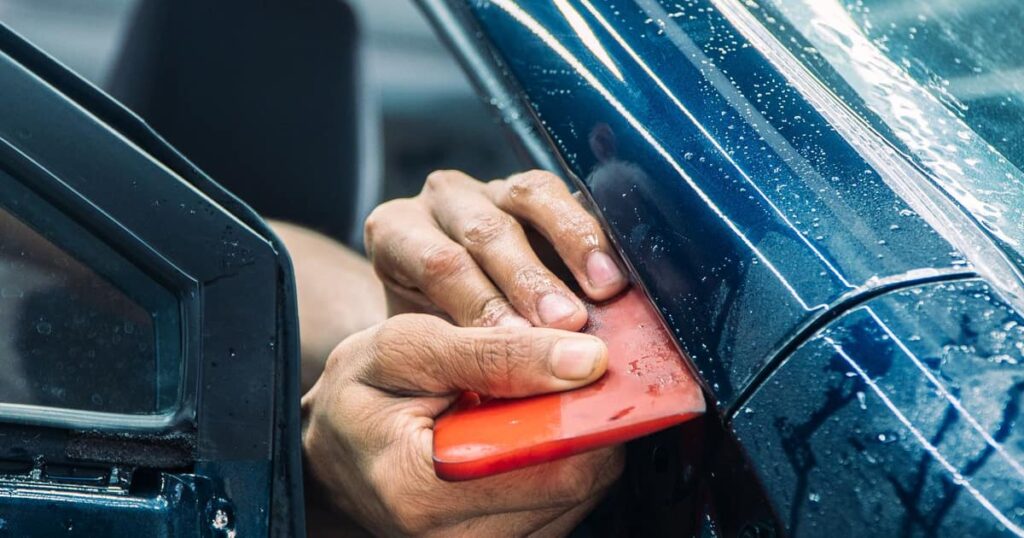
Every kilometre of highway driving is also a kilometre of exposure for your car’s paint. If you are heading home for Onam, your car needs paint protection before the long drive far more than it needs a quick wash. Most owners only think about protection after the first chip appears on the bonnet, by which point the damage is already done and the only remaining option is correction rather than prevention. Here are real reasons why paint protection matters before you leave, based on what actually happens to paint during hours of continuous highway travel across Kerala. Key Takeaways Highway Hazards That Damage Paint Fast A long Onam drive concentrates months of ordinary wear into a single day. These four hazards are the most common causes of visible paint damage after a road trip. Sun, Heat and Weather Exposure Kerala sun during a daytime Onam drive is intense, and weather does not always cooperate even during the festival window. These reasons cover exposure risks beyond physical impact. Protecting the Value of the Investment Beyond the immediate trip, paint condition affects how the car looks and what it is worth for years afterward. Infographic listing 11 reasons a car needs paint protection film before a long Onam drive Choosing the Right Film for Kerala Conditions Not every paint protection film performs the same way in Kerala’s combination of intense sun, high humidity and long monsoon stretches. Film quality varies significantly between budget options and certified products, and the difference shows up first in how the film handles heat and moisture over its lifespan rather than in how it looks on day one. A film with poor UV inhibitors can yellow within a year or two under constant Kerala sun, while a film with weak adhesive can lift at the edges once humidity works its way underneath during monsoon months. This is why Corsa Automotive works only with internationally certified film, chosen specifically because it holds up to tropical conditions rather than film designed primarily for drier, cooler climates elsewhere. Ask your studio directly what film brand they use, what warranty is attached to it, and whether that warranty explicitly covers yellowing and edge lifting, since these are the two failure points that show up first in Kerala’s climate if a lower grade film is used. Coverage choice matters too. Front only packages protect the bonnet, bumper and mirrors, which handles most highway chip risk, while full body coverage extends the same protection to the roof and rear panels, areas that matter more if the return journey involves parking outdoors for several days at a relative’s home before heading back. How Corsa Prepares Your Car Before the Drive At Corsa Automotive’s studio in Thellakom, Kottayam, preparing a car for Full Body PPF starts with a thorough decontamination wash and clay treatment, since film applied over trapped dirt or old wax never bonds properly to the panel. Technicians then measure and pre cut film for each panel using the vehicle’s specific pattern, rather than trimming freehand on the car, which keeps panel gaps clean and edges properly sealed against lifting. The film is applied panel by panel in a dust free bay, heat formed around curves and edges, and left to cure before the car is released. For Onam bookings specifically, this process is scheduled with enough buffer that the film has time to settle before the actual travel date, so the protection is fully cured and ready rather than still curing on the day you drive. Owners are also given a brief maintenance walkthrough before leaving, covering which cleaning products are safe on fresh film and how to spot early signs of edge lifting, so the protection continues performing correctly well past the Onam trip itself. For customers travelling out of Kottayam for the festival, the team can also advise on realistic timelines for larger vehicles or SUVs, which sometimes need an extra half day compared to a standard sedan due to the additional panel area involved. Conclusion Paint protection film is not about making a car look different. It is about making sure the car that leaves for Onam comes back looking the same, without new chips, tar spots or sun fade. Read our full Paint Protection Film 101 guide for more detail, or book your Full Body PPF appointment with Corsa Automotive before you travel. Full Body PPF customers currently get a flat 50 percent off Sun Films as well. Frequently Asked Questions How long does paint protection film take to apply before a trip? A full body application typically takes one to two days depending on the vehicle and film coverage chosen, so book at least three to four days before your planned departure date. Does paint protection film need special care after application? For the first few days, avoid automated car washes and hard scrubbing while the film fully cures. After that, it can be washed and maintained like normal painted panels. Is PPF only for the front of the car? Front sections take the most impact, but full body coverage protects the roof, doors and rear panels too, which matters on a long trip where sun and dust affect the entire car, not just the front. Will paint protection film change how my car looks? No. Quality film is virtually invisible once applied and preserves the original colour and finish, unlike a wrap, which changes appearance. See our PPF versus wrap comparison for the difference. Can PPF really stop stone chips completely? Quality film absorbs most small to medium impacts and often self heals light marks with heat, though very large impacts can still mark the surface. It significantly reduces damage compared to bare paint. Is it too late to get PPF a few days before Onam? It depends on studio availability. Contact Corsa Automotive directly to check open slots, since festival season bookings fill up faster than usual in the weeks before Onam. Does paint protection film help with resale value? Yes. A car with
Car Sun Film vs Ceramic Window Tint: Which Keeps You Cooler?
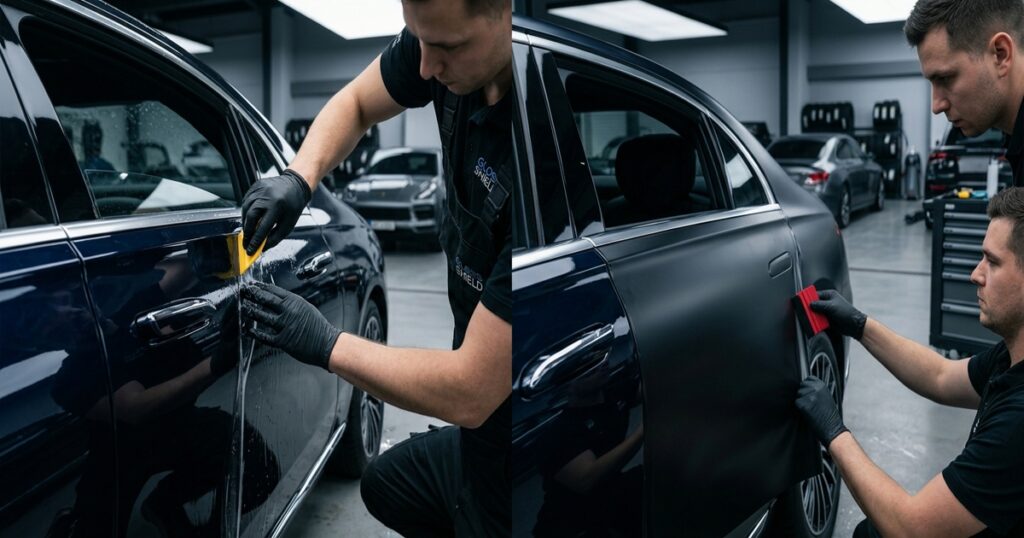
Car Sun Film vs Ceramic Tint: The Heat Protection Debate in Kerala Car sun film is one of the most searched solutions among Kerala vehicle owners who battle intense heat, high humidity, and year-round sun exposure. Whether you are parked under the open sky in Chengannur or navigating the afternoon traffic in Kottayam, the heat inside your cabin can become genuinely unbearable. This blog breaks down the real differences between sun control film and ceramic window tinting so you can make a confident, informed decision about which one actually keeps your car cooler. Key Takeaways What Is Car Sun Film and How Does It Work? Car sun film, also called sun control film, is a thin laminate applied to the interior surface of vehicle windows. It works by absorbing or reflecting a portion of solar energy before it enters the cabin. Basic dyed films absorb heat and reduce visible light transmission. More advanced metalized or hybrid films also reflect infrared radiation, offering a better heat rejection rate. Sun control film is widely used across Kerala because it is relatively affordable, easy to replace, and available in multiple tint shades. However, basic films degrade over time, especially under sustained UV exposure. They can bubble, fade, or turn purple after a few years, reducing both aesthetics and performance. For car owners looking for a budget-conscious option to reduce glare and moderate heat gain, sun control film is a practical starting point. What Is Ceramic Window Tinting and Why Is It Different? Ceramic window tinting uses nano-ceramic particles embedded into the film rather than dyes or metal layers. This technology allows ceramic tint to block a high percentage of infrared radiation, the component of sunlight responsible for heat, without compromising visibility or interfering with electronic signals like GPS, mobile networks, or tyre pressure monitoring systems. Ceramic films do not contain metal, so they will not cause signal interference. They also do not fade or discolor over time the way dyed films do. In Kerala’s climate, where months of direct sunlight are followed by humid monsoon conditions, ceramic tint holds up far better structurally. The higher upfront cost reflects a film that is more durable, more effective at heat rejection, and more aesthetically stable over the long term. For owners of SUVs with large glass surfaces or vehicles that sit in direct sunlight for long periods, ceramic tint is a noticeably worthwhile upgrade. Sun Film vs Ceramic Tint: A Direct Performance Comparison Understanding the practical difference between these two options helps you evaluate which one fits your situation. Below is a breakdown of how they compare across the metrics that matter most in Kerala’s driving environment. Why Kerala’s Climate Makes This Decision More Important Kerala sits close to the equator, meaning solar intensity is high throughout the year. Temperatures inside an unprotected parked vehicle can rise significantly above the outdoor air temperature within minutes. This is not just a comfort issue. Prolonged heat exposure accelerates the degradation of interior materials including leather seats, plastic trims, and dashboard coatings. High humidity compounds the problem. Standard window tinting films with poor adhesive quality can delaminate faster in humid conditions, leading to bubbling and peeling. This is why material quality and professional installation matter far more in Kerala than they would in a drier climate. According to research covered by the U.S. Department of Energy, window films can reduce heat entering through glass by a substantial margin, helping lower cooling loads and interior temperatures. The same principle applies to vehicle cabins, making the quality of your chosen film all the more critical. For vehicles in regular outdoor use across Chengannur, Kottayam, or surrounding areas, ceramic window tint is the more climate-appropriate choice. It is built to handle sustained solar intensity without degrading, and its heat rejection performance translates directly into a cooler, more comfortable cabin throughout every season. Does Car Sun Film Add Any Protective Value Beyond Heat? Yes. Even basic car sun film offers meaningful secondary benefits. It holds shattered glass together in the event of an accident, reducing the risk of injury from glass shards. It also reduces glare from oncoming headlights during night driving, which is a genuine road safety benefit on Kerala’s narrower roads. UV protection, even at the entry level, helps prevent the premature fading of interior upholstery and dashboards. Pair this with services like interior deep cleaning and fabric protection and your vehicle interior stays in far better condition over time. The combination of window film and interior protection creates a layered approach to preserving your cabin environment. For a full overview of what professional automotive care looks like, explore the articles and guides on the Corsa Automotive blog to understand how each service layer works together. What to Look for When Choosing a Window Film Installer in Kerala The quality of your window tinting experience depends almost entirely on who installs it. A poorly fitted film, regardless of whether it is basic sun film or premium ceramic tint, will bubble, peel, and fail earlier than expected. Here is what you should evaluate before committing. For car owners in the Chengannur and Kottayam region looking for a studio that treats every vehicle with this level of care, visiting the Corsa Automotive service page gives you a full overview of their detailing, protection, and evaluation services available for your vehicle. How Window Tinting Complements Other Paint and Cabin Protection Services Car sun film works best as part of a broader vehicle protection strategy rather than a standalone fix. When combined with paint protection services, the benefits multiply. UV rays that penetrate through unprotected glass do not just affect passengers. They also heat interior surfaces that press against door panels and trim, accelerating wear from the inside out. Owners who invest in sports cars or performance vehicles tend to be especially attentive to this, since their vehicles often feature high-quality leather and bespoke interior materials that are more sensitive to heat and UV exposure. Combining ceramic window tint with a high-grade paint
Car Painting: When Should You Repaint Your Vehicle?
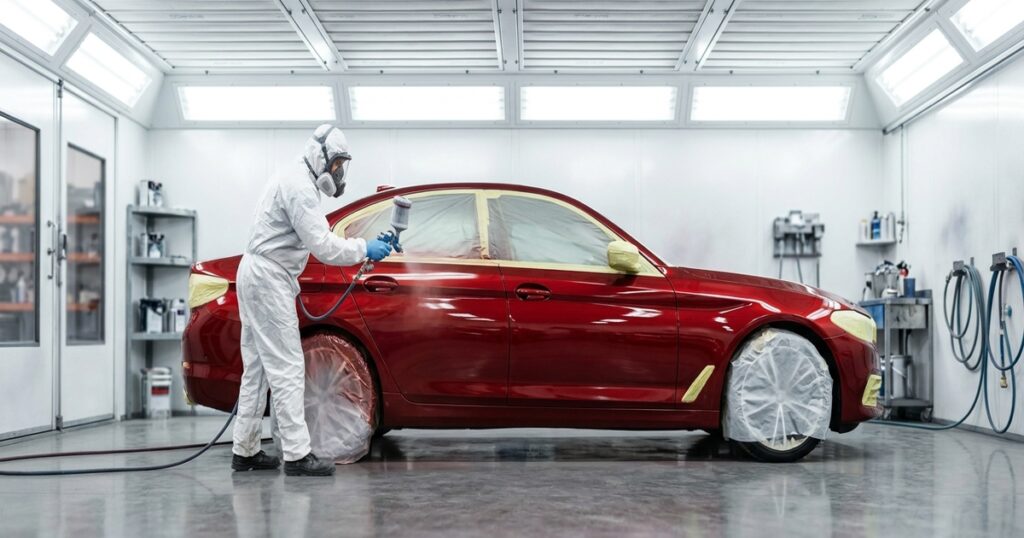
Car painting is one of the most impactful ways to restore your vehicle’s appearance and protect its value. Whether you are dealing with faded colour, deep scratches, or rust spots creeping through the surface, knowing when to repaint your car can save you from costly repairs down the road. In this guide, we break down the clear warning signs that your vehicle needs a fresh coat, the factors that affect paint quality, and what influences car painting price in the Indian market. If you care about your car, this is a read you cannot afford to skip. Key Takeaways Signs Your Car Needs a Repaint Your car’s exterior is exposed to harsh conditions every day. Sun, rain, dust, humidity, and road debris all take a toll on the paint. Over time, even the best factory finishes begin to show their age. Recognising the early signs can help you act before the damage becomes severe. Fading and Oxidation One of the most common signs that your car needs car repainting is visible fading or a chalky, dull surface. This is caused by UV radiation breaking down the clear coat and pigment molecules in the paint. In Kerala, where sunlight is intense and humidity is high, oxidation tends to accelerate faster than in drier climates. If your car’s colour looks washed out or patchy, and polishing no longer restores the shine, it is a strong signal that repainting is the right next step. You can explore Corsa Automotive’s full range of paint and body services to understand what treatment your vehicle may need. Peeling or Bubbling Paint Peeling paint is a visible sign of paint adhesion failure. This often happens when moisture gets trapped between the paint layers, or when a previous paint job was done without proper surface preparation. Bubbling is particularly common in vehicles exposed to monsoon conditions. Once paint starts peeling, the bare metal underneath becomes vulnerable to rust and corrosion. At this point, a partial touch-up will not hold for long. A full repaint with proper priming and sealing is the recommended solution. Deep Scratches and Chips Minor surface scratches can often be buffed out through professional paint correction and polishing. However, when scratches penetrate through the clear coat, base coat, and primer down to the metal, they open the door to rust formation. Stone chips from highway driving are another common culprit. If your vehicle has multiple deep scratches or widespread chipping, car repainting the affected panels or the entire vehicle may be more cost-effective than repeated spot repairs. You can learn more about Corsa Automotive’s approach to paint restoration and body care. Rust and Corrosion Rust is one of the most damaging things that can happen to a car’s body. It typically starts from small chips or scratches that are left untreated. In coastal and humid regions like much of Kerala, rust can spread quickly beneath the paint surface before it is even visible. If you notice rust spots, especially around the wheel arches, door edges, or underbody, professional intervention is urgent. The affected area needs to be treated, primed, and repainted to stop the corrosion from spreading further. Reach out to the Corsa team via the contact page to discuss rust protection and underbody treatment options for your vehicle. After a Collision or Major Repair After a significant accident, a proper car painting job is essential to restore the vehicle’s appearance and structural integrity. Collision repair involves reshaping panels, filling dents, and applying new paint that matches the original finish. A skilled technician will blend the new paint with the surrounding panels to achieve a seamless result. If you have recently had bodywork done, always ensure the repainting is handled by experienced professionals to avoid visible colour mismatches or uneven texture. Factors That Affect Car Painting Price Understanding what goes into car repainting price helps you make an informed decision and avoid surprises. Several variables influence the final cost, and each plays a significant role in the quality of the result. Type of Paint Used Paint comes in a range of types, including solid colours, metallic, pearlescent, and custom finishes. Solid paint is the most affordable option, while metallic and pearl paints require additional layers and more precise application techniques. Custom colours or specialty finishes can push the cost significantly higher. The quality of the paint product itself, whether economy-grade or premium automotive paint, also directly affects how long the finish will last and how it will hold up against UV exposure and daily wear. Surface Preparation and Panel Count Proper surface preparation is arguably the most important factor in a long-lasting paint job. This includes sanding, rust treatment, priming, and filling any imperfections before the colour coat is applied. Skipping or rushing these steps leads to poor adhesion and premature peeling. The number of panels being repainted also drives the cost. A full-body repaint covers every exterior surface, which naturally costs more than repainting a single bumper or door panel. Always ask for a detailed breakdown when getting a quote for car painting. Labour and Expertise Skilled technicians who understand colour matching, layering, and finishing techniques charge more for their work, and rightly so. The quality of the outcome depends heavily on the painter’s experience and the equipment available in the workshop. Premium automotive service centres invest in professional spray booths, precise mixing systems, and curing technology that produce a far superior result compared to roadside or budget workshops. This is where choosing a reputable provider makes a measurable difference in both finish quality and durability. Protective Coatings Applied After Painting After a fresh paint job, applying a protective layer can dramatically extend its life. Paint Protection Film (PPF) is a transparent, self-healing film applied over the painted surface to shield it from stone chips, scratches, UV damage, and contaminants. PPF is especially valuable for vehicles in Kerala, where road conditions and environmental exposure can be demanding. It is worth factoring the cost of PPF into your overall budget when planning a repaint.
Why Do Some Cars Still Look Brand New After 5 Years?
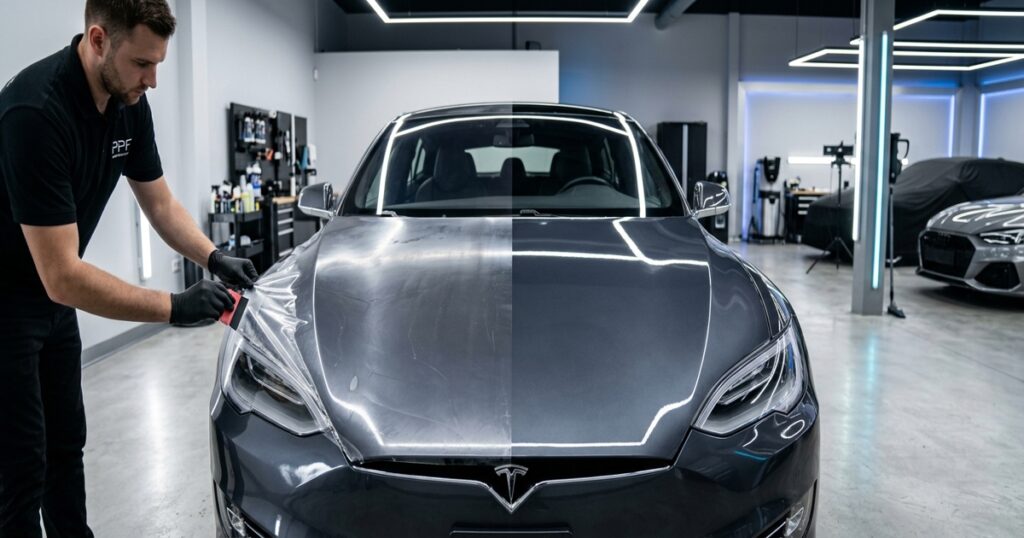
Paint Protection Film: The Secret Behind Cars That Never Age Paint protection film is the invisible shield that separates cars that look showroom-fresh after five years from those that look worn and faded. If you have ever wondered why some vehicles seem immune to scratches, stone chips, and sun damage, the answer almost always points back to PPF for cars. This blog breaks down exactly how PPF preserves a car’s original paint, why it outperforms other surface treatments for long-term protection, and what makes it a smart investment for any car owner in Kerala who takes pride in their vehicle’s appearance. Key Takeaways What Exactly Is Paint Protection Film? Paint protection film is a thin, transparent thermoplastic urethane film bonded directly to a vehicle’s painted surfaces. It acts as a sacrificial layer, absorbing impacts and abrasions that would otherwise permanently damage the paint beneath. The film is nearly invisible to the naked eye, so the car retains its original look while gaining a powerful layer of physical defense. Modern car paint protection film is engineered with multiple layers. The outermost layer is a clear coat that resists minor scratches and chemical stains. Below that sits the urethane base, which absorbs physical impacts. The adhesive layer at the bottom bonds the film to the paint without leaving residue when professionally removed. Together, these layers form a system that handles everything from gravel roads to monsoon-driven road grime. According to technical literature published by SAE International, thermoplastic urethane coatings demonstrate superior elongation and impact resistance compared to standard automotive clear coats, which is why PPF is the preferred choice among automotive protection specialists worldwide. How PPF Preserves a Car’s Original Paint Over Years The most impressive quality of paint protection film is its ability to absorb damage without transferring it to the paint underneath. Stone chips are one of the leading causes of paint degradation on Kerala roads. Every chip, if left untreated, becomes a gateway for rust and oxidation. PPF stops chips at the film level, keeping the original factory paint completely intact beneath. UV radiation is another silent threat. Over time, prolonged sun exposure breaks down clear coat and causes paint to fade, dull, or peel. High-quality PPF for cars includes UV inhibitors within the film itself. These inhibitors absorb and scatter ultraviolet rays before they penetrate the paint layer, meaning the color stays true and vibrant for much longer than an unprotected surface ever could. One of the most talked-about features in the best paint protection film products is self-healing technology. When the film surface develops light swirl marks or fine scratches from washing or parking, gentle heat, either from sunlight or warm water, activates the film’s elastomeric properties. The surface literally flows back to its original form, erasing the scratch without any polishing or buffing required. Protection Against Chemical Contaminants and Bird Droppings Bird droppings, tree sap, industrial fallout, and acidic rain are chemical threats that etch into paint surprisingly fast. Kerala’s climate, with its high humidity and heavy monsoon season, makes vehicles especially vulnerable to surface contamination. Car paint protection film is chemically inert on its outer surface. Contaminants sit on top of the film rather than bonding with the paint, and they wipe away cleanly without leaving permanent marks. This resistance to chemical damage is one of the key reasons why vehicles protected with PPF for cars look significantly newer compared to unprotected ones after just a couple of years of real-world driving. The paint underneath has simply never been exposed to the full force of environmental abuse. PPF vs. Regular Waxing and Surface Treatments Many car owners rely on regular waxing or paint sealants to protect their vehicles. These treatments do offer some surface-level protection, but they wear off within weeks or months and provide no meaningful physical barrier against stone chips or deep scratches. Wax also offers limited UV resistance and zero self-healing capability. Paint protection film, by contrast, is a permanent physical layer. It does not wash off in rain, does not degrade with regular car washing, and does not require frequent reapplication to stay effective. For car owners in Chengannur, Kottayam, or anywhere in Kerala who drive regularly on highways and rural roads, the physical protection offered by car paint protection film far exceeds what any topical wax or sealant can deliver. Premium wax treatments still have a place in a complete car care routine, particularly for maintaining gloss and adding depth to the finish. But as a standalone protective measure against the kind of damage that accumulates over five years of daily driving, wax simply cannot compete with PPF. Which Parts of Your Car Benefit Most from PPF? Not every car owner needs full-body coverage. Targeted application of the best paint protection film to high-impact zones can make a significant difference in how the car looks over time. The most vulnerable areas are: Full-body paint protection film coverage provides the most comprehensive results, but even partial coverage on these critical zones delivers a meaningful upgrade over no protection at all. A professional detailing studio will assess your vehicle and recommend a coverage plan based on how and where you drive. The Role of Professional Installation in PPF Performance The quality of car paint protection film is only as good as the installation behind it. Air bubbles, misaligned edges, and improper surface preparation can compromise the film’s adhesion and visual clarity. Professional installation involves thorough paint decontamination, precise film cutting to match each panel’s geometry, and careful application techniques that eliminate bubbles and lifting edges. A proper PPF process begins with a detailed vehicle evaluation to identify any existing paint imperfections before the film goes on. This is critical because applying film over scratches or contaminants locks those issues in permanently. An evaluate, enhance, and protect approach ensures the paint is in its best possible condition before any protective layer is applied. Surface preparation quality directly determines how well the film bonds, how long it lasts, and how clearly it performs.
5 Mistakes That Can Ruin Your Car’s Paint Without You Realising
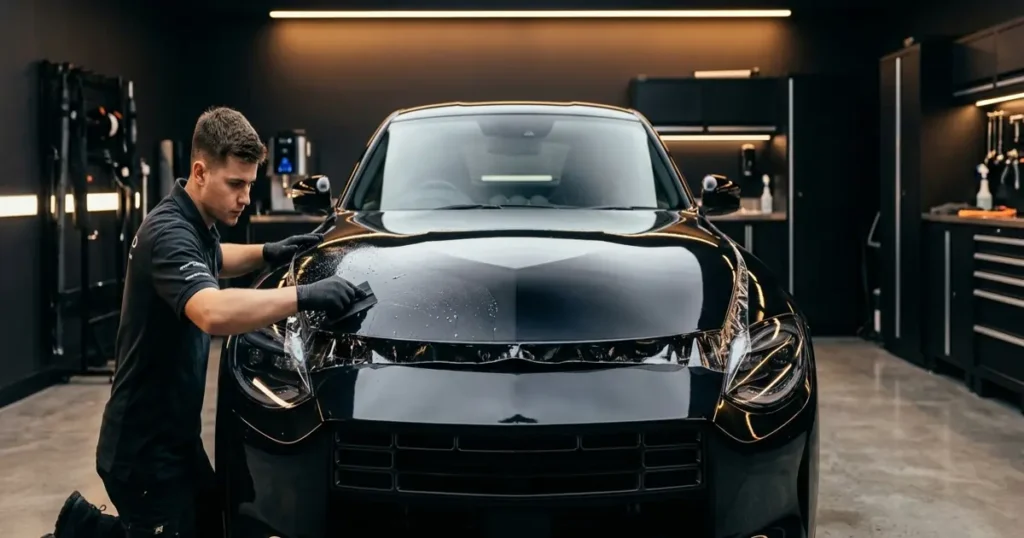
Car paint protection film is one of the smartest investments a car owner can make, yet most people apply it only after the damage is already done. The truth is, some of the most common daily habits quietly strip away your car’s factory finish long before a major scratch or dent ever appears. From how you wash your car to where you park it, small choices add up to big paint damage over time. This blog breaks down five mistakes you are probably making and explains how paint protection film for cars can stop the damage before it starts. Key Takeaways Why Your Car’s Paint is More Vulnerable Than You Think A car’s exterior finish is made up of multiple thin layers: primer, base coat, and a clear coat on top. That clear coat is only about 50 microns thick. Once it is gone, the underlying paint becomes exposed to corrosion, fading, and staining. Kerala’s climate makes this even worse. High humidity, monsoon rains, and intense heat accelerate the breakdown of paint layers faster than in drier climates. Understanding what causes the damage is the first step to preventing it. Mistake 1: Washing Your Car With the Wrong Materials Using the wrong cloth or sponge during a car wash is one of the most common ways car owners unknowingly damage their paint. Standard household sponges trap dirt and grit between the surface and the paint, dragging abrasive particles across the clear coat with every stroke. This creates fine swirl marks that dull the finish over time. Many car owners in Kerala also rely on automatic tunnel car washes with rotating brushes. These brushes are rarely cleaned thoroughly and carry residue from previous vehicles, introducing micro-scratches with every visit. The fix is using a proper microfibre wash mitt, two-bucket washing method, and pH-neutral car shampoo. Better yet, applying car paint protection film beforehand means that even minor washing mistakes are absorbed by the film rather than your paint. Mistake 2: Ignoring Bird Droppings and Tree Sap Bird droppings are more damaging than most people realise. They contain uric acid with a pH level that can etch directly into your car’s clear coat within hours, especially under direct sunlight. Tree sap is similarly corrosive. Both harden quickly and bond chemically with the paint surface, making them difficult to remove without causing further damage. Leaving these contaminants on your car even for a few hours, particularly during Kerala’s warmer months, can result in permanent etching that requires paint correction to fix. A professionally applied paint protection film for cars provides a sacrificial surface that takes the chemical impact instead of your factory finish. The film can then be cleaned or replaced without touching the original paint beneath it. You can explore the full range of protection solutions available at Corsa Automotive’s services page to find what suits your vehicle best. Mistake 3: Parking Under Trees or in Direct Sunlight Where you park your car matters enormously for long-term paint health. Parking under trees exposes your vehicle to falling sap, bird droppings, pollen, and small debris that accumulate on the surface. Parking in direct sunlight without protection causes UV rays to gradually degrade the clear coat, leading to oxidation, chalking, and colour fading. UV damage is cumulative and largely invisible until it becomes severe. Once the clear coat oxidises, the only solution is multi-stage paint correction, which is time-consuming and costly. The best vehicle paint protection options, including high-quality PPF, include UV-resistant properties that block harmful rays from reaching the paint surface directly. This makes PPF especially valuable for car owners in sun-intensive locations across Kerala. If you would like to see real results from paint protection work, Corsa Automotive’s gallery showcases a range of before-and-after finishes. Mistake 4: Using Petrol Station Cleaning Products Petrol stations and roadside shops often sell all-purpose cleaners that are not formulated for automotive paint. Many of these products contain harsh solvents, alkaline compounds, or abrasive particles that strip away the clear coat’s protective layer. They might leave the surface looking shiny temporarily, but repeated use breaks down the paint’s integrity over time. The same applies to dish soap, which many car owners in India use as a cost-saving substitute for proper car shampoo. Dish soap is designed to cut through grease and oils, and it does exactly that to your car’s wax layer and protective coatings as well. Using only pH-neutral, automotive-grade products is essential. Applying paint protection film creates an additional layer of defence, so that even if a harsh product comes into contact with the surface, your actual paint remains protected underneath. Mistake 5: Skipping Paint Protection Until After the First Scratch This is perhaps the most costly mistake of all. Many car owners treat paint protection as a remedy rather than a preventive measure. They wait until a rock chip, deep scratch, or door ding appears before considering options like car paint protection film. By then, the paint is already compromised and may require correction work before a film can even be applied properly. PPF works best when applied to a fresh or corrected surface. The film’s self-healing properties, resistance to road debris, and scratch-resistant top coat are most effective when the paint underneath is in optimal condition. Waiting until damage occurs not only increases the cost of treatment but also reduces how well the film can protect going forward. The right time to apply paint protection film for cars is as early as possible, ideally right after purchase or after a professional paint correction. According to Auto Express, PPF remains one of the most effective ways to preserve automotive paint long-term, especially for new vehicles. How Car Paint Protection Film Prevents All of These Mistakes Car paint protection film is a thermoplastic urethane film applied directly to the vehicle’s exterior surfaces. It is optically clear, meaning it does not change the look of your car, and modern formulations include self-healing technology that causes minor scratches to disappear with heat exposure. PPF protects against
Paint Protection Film 101: Everything You Need to Know Before Getting PPF
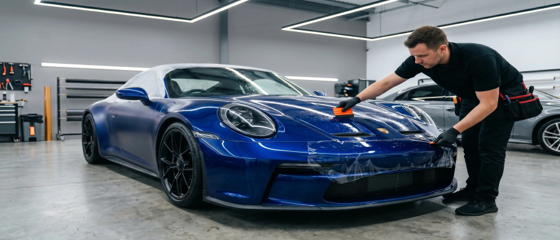
Paint protection film is one of the most effective ways to keep your car looking factory-fresh for years. Whether you have just driven a brand-new car off the lot or you are tired of watching your beloved vehicle collect scratches, swirl marks, and road grime, PPF coating offers a near-invisible shield that absorbs damage before it ever reaches your paint. In this guide, we walk you through everything a first-time buyer needs to know about paint protection film for cars, from what it is and how it works, to the different types available and why it is worth every rupee. For professional PPF installation in Kerala, Corsa Automotive serves car owners across Chengannur and Kottayam with premium protection packages. You can also explore the full range of automotive services offered to find the right solution for your vehicle. Key Takeaways What Is Paint Protection Film and How Does It Work? Paint protection film is a thin, flexible, thermoplastic urethane (TPU) film that is applied directly to a vehicle’s painted surfaces. It acts as a sacrificial layer, absorbing impacts, scratches, and chemical damage that would otherwise permanently mark your car’s finish. The film is virtually invisible when installed correctly, preserving the original look of the paint underneath. What makes modern PPF coating particularly impressive is its self-healing technology. The film contains an elastomeric polymer top coat that, when exposed to heat from sunlight or warm water, causes light scratches and swirl marks on the film’s surface to disappear on their own. This means the film stays looking clean and clear without constant attention. Beyond self-healing, paint protection film also repels water, dirt, and environmental contaminants thanks to its hydrophobic surface properties. In Kerala’s climate, where monsoon rains, humidity, and road debris are everyday realities, this kind of protection is not a luxury but a practical necessity. If you are researching which vehicles benefit most from this treatment, browsing our car listings can give you a sense of the range of models commonly brought in for protection work. What Does Paint Protection Film Actually Protect Against? One of the most common questions first-time buyers ask is what exactly car PPF shields the paint from. The answer is broad. A high-quality film is engineered to defend against a surprisingly wide range of threats that cars face every day. For car owners in Kerala, where tropical heat accelerates UV damage and monsoon roads throw up considerable debris, paint protection film for cars addresses multiple real threats at once. It is not simply cosmetic protection but a genuine long-term investment in the vehicle’s condition. Types of Paint Protection Film: Gloss, Matte, and Beyond Not all car PPF products are the same. Films vary by finish, thickness, and technology. Understanding the options helps you choose the right product for your vehicle and your goals. Gloss PPF Gloss finish paint protection film is the most popular choice. It is optically transparent and enhances the depth and shine of your car’s original paint colour. If you want to protect your car without altering its appearance in any way, gloss PPF is the natural choice. It is suitable for virtually any car colour or finish and remains the most widely applied option in professional detailing studios. Matte PPF Matte finish PPF coating serves two purposes. It protects the paint in the same way a standard film does, but it also transforms a gloss finish into a matte appearance. This has become increasingly popular among luxury and performance car owners who want a stealthy, flat look without a permanent respray. It is also commonly used to protect factory matte finishes, which are notoriously difficult to maintain and repair. Satin PPF Satin PPF sits between gloss and matte, offering a low-sheen finish with excellent depth. It is a sophisticated option for owners who want subtle visual differentiation from a standard gloss finish. Pre-Cut vs. Custom Installation Films can be installed using digitally pre-cut kits that are designed for specific vehicle models, or they can be custom-cut and wrapped by hand during installation. Pre-cut kits provide precision coverage on common panels, while custom installations allow edge-to-edge wrapping for more complete protection. Professional studios assess your vehicle and recommend the most appropriate approach based on your goals and budget. Full Body PPF vs. Partial PPF: Which Is Right for You? A common decision first-time buyers face is whether to protect the entire vehicle or focus coverage on specific high-risk areas. Both approaches have genuine merit, and the right choice depends on how you use the car, your budget, and how long you plan to keep the vehicle. Partial PPF Coverage Partial coverage focuses paint protection film on the panels that take the most abuse. This typically includes the front bumper, bonnet, front fenders, door edge guards, and side mirrors. For daily drivers where budget is a consideration, partial coverage provides targeted protection where damage is statistically most likely to occur. It is a practical starting point for many car owners. Full Body PPF Coverage Full body car PPF wraps every exterior painted surface of the vehicle, including doors, roof, boot lid, rear bumper, and pillars. This option is ideal for luxury vehicles, performance cars, and owners who want complete peace of mind. It also delivers the most consistent protection and is particularly valuable for preserving resale value over a long ownership period. According to Car and Driver, vehicles that are well-maintained and protected from paint damage consistently command stronger resale prices. Investing in comprehensive PPF coating from early in a vehicle’s life is one of the most measurable ways to protect that investment. Owners of luxury sports cars in particular tend to see the strongest returns from full body coverage given the higher cost of paint restoration on premium vehicles. How Paint Protection Film Compares to Ceramic Coating Many car owners research both paint protection film and ceramic coating before making a decision. These two products are often discussed together but they are not interchangeable. They serve different functions and are frequently